

The Kālāmas' Question
August 7, 2026
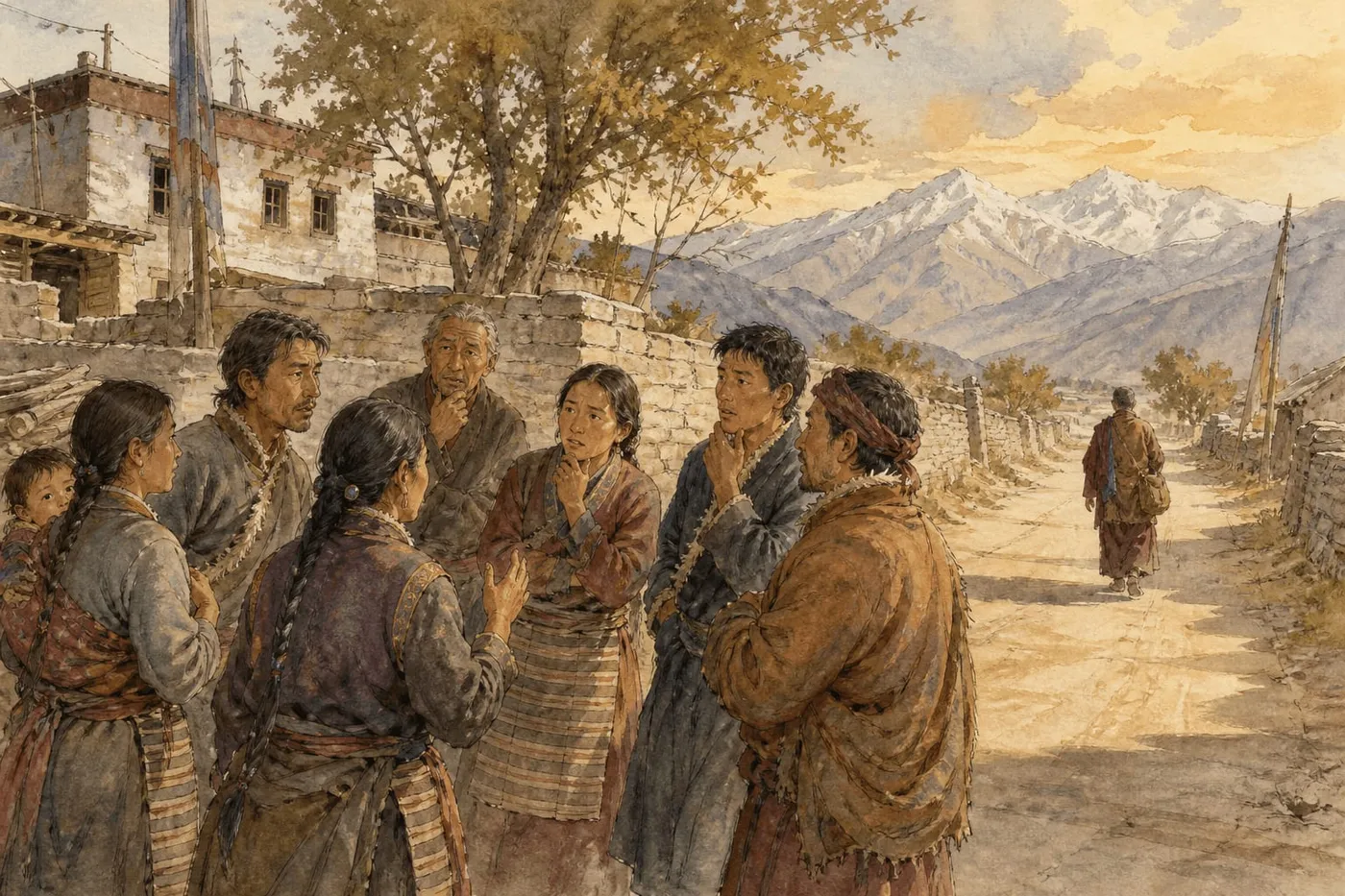
The town of Kesamutta was on a route, which was its whole problem. Teachers came through. Each one set out his own doctrine with confidence, explained why it was correct, and explained why the man who had come through the previous month was mistaken. Then he moved on, and another arrived and did the same.
So when the Buddha came through, the Kālāmas asked him the obvious thing. They did not ask which teaching was true. They asked: how is anyone supposed to tell? We are not scholars. They all sound certain. Doubt has come to us and we cannot get out of it.
His answer is often shortened to “believe nothing,” which is not what he said and would not have helped them.
What he gave them was a list of the things that are not sufficient reason to accept a claim: not because it is repeatedly heard, not because it is traditional, not because it is rumoured, not because it is in a collection of scriptures, not by logic or inference alone, not because a thinker seems capable, and not because the teacher is your respected teacher. Then, having removed the props, he gave them something to actually use — look at what a thing leads to. When you take it up, does it tend toward harm or toward welfare? Is it rooted in greed, in hatred, in delusion? You can know that. You can watch it work.
We do the same thing today with a device that puts more teachers through town in an hour than Kesamutta saw in a century. Someone is certain. They are fluent, they have four hundred thousand followers, and their certainty is the most persuasive thing about them. Tomorrow someone equally fluent says the reverse.
So stop asking only whether it is convincing. Convincing is cheap and getting cheaper.
Ask what it is rooted in, and what it grows in you. Who gains if you believe it. What it leaves you wanting.
Investigate before you accept. Do not outsource your mind.
Explore further: Education & Intellectual Training · Pramāṇa — logic and valid knowing